
The Role of Luck in Gambling
Luck has long been a captivating concept in the world of gambling and casinos. Many players believe that their winnings or losses can be largely attributed to chance, suggesting that luck plays a crucial role in determining outcomes. This notion is especially prominent in games of chance, such as slots and roulette, where players often feel that their fortunes fluctuate based on luck alone. The randomness of these games can create a sense of unpredictability, which only adds to the allure of casino experiences like those found at brighterlifehomes.co.uk , where players often recount tales of improbable wins, solidifying the belief that luck is a significant factor in their gambling endeavors.
However, separating luck from skill is not always straightforward. In games like poker, where strategic thinking and player decisions significantly impact results, luck may still have a part to play but is not the sole determinant. Players may experience winning or losing streaks that can be attributed to luck, but their overall success is often a combination of both skill and chance. This duality can lead to conflicting opinions about the extent to which luck influences outcomes, making it a topic of considerable debate among enthusiasts and professionals alike.
Furthermore, cognitive biases can also influence how players perceive luck in their gaming experiences. For instance, players might remember big wins and overlook losses, leading to an inflated belief in their luckiness. This selective memory can shape their future betting behaviors, with winners often returning to the same games or machines they believe brought them fortune. Ultimately, while luck does play an essential role, it coexists with factors such as strategy, decision-making, and even emotional responses, creating a complex environment that shapes the gambling experience.
The Science Behind Randomness
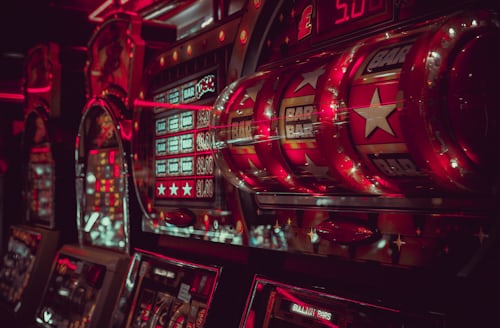
The principles of probability and randomness are at the heart of casino games, shaping the outcomes and influencing players’ experiences. Casino games are designed using complex algorithms and statistical models to ensure that the results are random and fair. For instance, in slot machines, random number generators (RNGs) determine the outcomes of each spin, ensuring unpredictability. This scientific approach reinforces the notion of luck, as players cannot influence the results of these games through skill, making every spin a new opportunity for fortune or loss.
Moreover, understanding the mathematical principles behind games can help players grasp the concept of luck versus skill. For example, games that exhibit a high house edge, like certain slot machines, may seem to reward luck more than skill, as players have little control over the outcome. In contrast, games like blackjack or poker require an understanding of probabilities and strategies, demonstrating that while luck plays a part, knowledge and skill can enhance a player’s chances of success. This balance suggests that while luck may influence individual outcomes, experience and strategy often dictate long-term success.
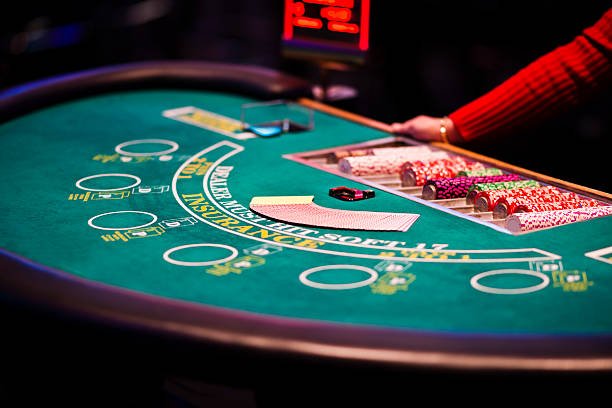
In recent years, advancements in technology and data analysis have allowed researchers to delve deeper into the influence of luck in the casino environment. By analyzing patterns and outcomes of players’ results, experts can identify whether certain streaks can be attributed to genuine luck or merely statistical variance. This ongoing research contributes to the understanding of how random events shape gaming experiences and outcomes. It also brings to light the importance of responsible gambling, as understanding the role of luck can help players make informed decisions about their betting behaviors.
The Psychology of Luck
The psychology of luck in gambling can significantly influence players’ behavior and perception of outcomes. Many players develop personal beliefs about luck, leading to rituals or habits intended to attract positive outcomes. These can range from wearing lucky clothing to performing specific behaviors before placing a bet. Such rituals can create a sense of control over an otherwise uncontrollable situation, allowing players to cope with the inherent unpredictability of casino games. This psychological comfort can enhance the overall experience, even if the rituals do not statistically influence the outcome.
Interestingly, the belief in luck can lead to various psychological phenomena, such as the gambler’s fallacy, where players mistakenly believe that past outcomes will affect future results. For instance, a player who has witnessed several losses on a particular slot machine may feel that their next spin is “due” for a win, despite the randomness of each individual outcome. Recognizing these biases is crucial for players, as it can help them avoid making irrational decisions based on flawed logic. By understanding the psychological dimensions of luck, players can cultivate healthier gambling habits.
Moreover, the concept of luck can also affect the emotional responses of players. A long losing streak may lead to frustration and disappointment, while a sudden win can elicit feelings of euphoria. These emotional highs and lows can create a rollercoaster of experiences for players, impacting their willingness to return to the casino. Understanding these emotional triggers can empower players to manage their expectations and responses, helping them navigate the ups and downs of gambling more effectively. By maintaining a balanced perspective, players can enjoy the thrill of gambling without falling prey to the psychological pitfalls associated with luck.
The Influence of Environment on Luck
The environment of a casino can also contribute to players’ perceptions of luck and their overall experience. Factors such as ambiance, lighting, and sound effects are designed to create an exhilarating atmosphere that can heighten feelings of excitement and anticipation. These elements work in tandem to shape the psychological narrative of luck, making players feel fortunate simply by being present in the space. This sensory stimulation can encourage players to engage more deeply, leading them to invest more time and money in hopes of winning. The way a casino is designed can significantly impact how players experience luck.
Additionally, social interactions within the casino can further influence the perception of luck. Players often share their stories of winning and losing, fostering a community of shared experiences that can reinforce beliefs about luck. Conversations about “hot” tables or winning streaks can create a sense of camaraderie and heightened expectations among players, making them more likely to attribute outcomes to luck, whether positive or negative. This social aspect of gambling can amplify feelings of luck and risk, creating a unique environment where shared narratives shape individual beliefs.
Furthermore, promotional strategies by casinos, such as lucky draws or tournaments, tap into this idea of luck, enticing players with the potential for winnings and reinforcing their belief in luck’s role. By constructing environments that celebrate both luck and skill, casinos create a compelling narrative that keeps players engaged. Recognizing how the environment can influence perceptions of luck is essential for understanding the overall experience players have in casinos. This holistic view of luck not only enhances the excitement but also emphasizes the importance of responsible gambling practices.
Understanding Your Gambling Experience
In conclusion, the interplay of luck and skill in casino outcomes is a multifaceted topic that continues to evoke interest among players and researchers alike. While luck undeniably plays a key role in determining outcomes, it coexists with factors such as strategy, probability, and player psychology. Each game offers a unique balance of these elements, suggesting that players should approach gambling with a comprehensive understanding of both luck and skill for a more informed experience. Knowledge empowers players to make strategic decisions, potentially enhancing their enjoyment and success.
Ultimately, the thrill of the casino lies in the unpredictable nature of outcomes, where luck can lead to unexpected twists and turns. Understanding the nuances that govern luck and its psychological effects can empower players to make better decisions, enhance their gaming experiences, and engage with the games more thoughtfully. By embracing the complexities of luck, players can develop a more rounded perspective that enriches their time in the casino. This understanding can also lead to healthier gambling habits, allowing players to enjoy their experience without falling into the traps that often accompany the pursuit of luck.
For those looking to deepen their understanding of luck and skill in gambling, numerous resources are available that provide insights, strategies, and responsible gambling practices. Educating oneself about the dynamics of casino games, probabilities, and the psychological elements of gambling can significantly enhance the overall gaming experience. Engaging with this knowledge not only promotes a more enjoyable encounter but also supports informed decision-making, helping players navigate the complex world of casinos effectively.