
The Allure of Chance: Understanding Risk-Taking Behavior
The psychology behind casino games significantly revolves around the concept of chance and risk. Many individuals are drawn to the thrill of uncertainty, where outcomes are unpredictable yet tantalizing. Our brains are wired to seek out risk as a way to stimulate dopamine production, a neurotransmitter associated with pleasure and reward. This intrinsic desire for excitement is especially pronounced in environments designed to evoke anticipation and suspense, characteristics inherent to casino games like online casino canada fast withdrawal that can evoke strong emotional responses, making the experience more engaging.
Moreover, the concept of loss aversion plays a crucial role in how players react during games of chance. Research shows that the pain of losing can often outweigh the joy of winning, leading to a compulsive cycle of behavior. This means that once a player experiences a loss, they may feel compelled to continue gambling in hopes of recouping their losses. This psychological tendency can lead to significant gambling patterns, blurring the lines between leisure and addiction. Understanding this aspect of human psychology is essential for those involved in gaming or gambling-related fields.
In addition, social factors contribute to risk-taking in casinos. The communal atmosphere within gaming spaces can amplify feelings of excitement and encourage individuals to partake in higher-risk bets. Group dynamics, including peer pressure, can also influence decision-making, pushing individuals to gamble in ways they might otherwise avoid. The interplay between personal psychology and social context creates a potent mix that keeps players engaged in casino games, often leading them to take risks they may not typically consider in other settings.
The Role of Reward Systems in Gambling
Casino games are meticulously designed to engage players through established psychological principles related to reward systems. The notion of intermittent reinforcement, where rewards are given unpredictably, is a pivotal element that keeps players invested in the game. This unpredictability taps into our psychological makeup, making the potential for a reward appear more exciting. Players are often unaware that they are responding to these cues, which can lead to increased gameplay despite a string of losses. The thrill of potentially winning big, even if it happens infrequently, keeps them coming back for more.
Furthermore, the use of enticing sounds, vibrant colors, and immersive themes in gaming machines and tables serves to enhance the players’ sensory experience. These elements are not mere decorations; they are strategically employed to trigger emotional responses that deepen engagement. Each time a player wins, even a small amount, it reinforces their behavior and encourages them to continue playing, feeding into the cycle of hope and reward. The experience is designed to be multisensory, making it difficult for players to resist the allure of gaming.

The casino industry’s understanding of behavioral economics allows for the optimization of reward systems to maximize profits. Casinos frequently implement loyalty programs and promotional incentives that appeal to psychologically-driven motivations, such as the desire for social recognition or status. By aligning their offerings with players’ emotional and psychological needs, casinos create an environment where individuals feel compelled to return, often at the expense of their financial well-being. This sophisticated approach to reward systems illustrates how deeply intertwined psychology and gaming can be.
The Impact of Environment on Gambling Behavior
The physical environment of a casino plays a significant role in shaping the psychological experience of players. Factors such as lighting, layout, and sound all contribute to a carefully curated atmosphere that encourages prolonged engagement. For instance, the dim lighting often found in casinos is designed to make players feel more comfortable and less aware of time passing, which can lead to longer gambling sessions. The ambiance is crafted to envelop players in a world where they can lose themselves and forget about their external realities.
In addition to lighting, the absence of clocks and windows in many casinos is intentional; it creates a sense of timelessness that allows players to become immersed in the experience. This manipulation of perception can lead to what psychologists term as a “flow state,” where individuals lose track of time and are solely focused on the game at hand. This state can be exhilarating, but it also diminishes players’ awareness of their betting behavior and expenditure. The environment is deliberately designed to promote escapism, making it easy for players to forget their limits.
Social interactions within the casino environment can also amplify psychological effects. The presence of other players can heighten excitement and create a competitive atmosphere that encourages additional wagering. Furthermore, the availability of alcohol can impair judgment, leading players to make riskier decisions. By understanding these environmental influences, casinos can optimize their gaming spaces to promote engagement and even dependency among players, further complicating their emotional and psychological relationship with gambling.
The Presence of Superstitions and Rituals in Gambling
Superstitions and rituals play a fascinating role in the psychology of casino gaming. Players often develop personal beliefs or practices that they feel may enhance their luck, such as specific seating arrangements or wearing lucky clothing. These superstitions can provide a psychological boost, instilling a sense of control and agency over inherently uncertain outcomes. When players attribute their winnings to these rituals, it reinforces the behavior and deepens their psychological investment in the games. This phenomenon showcases how the mind can create patterns to cope with randomness.
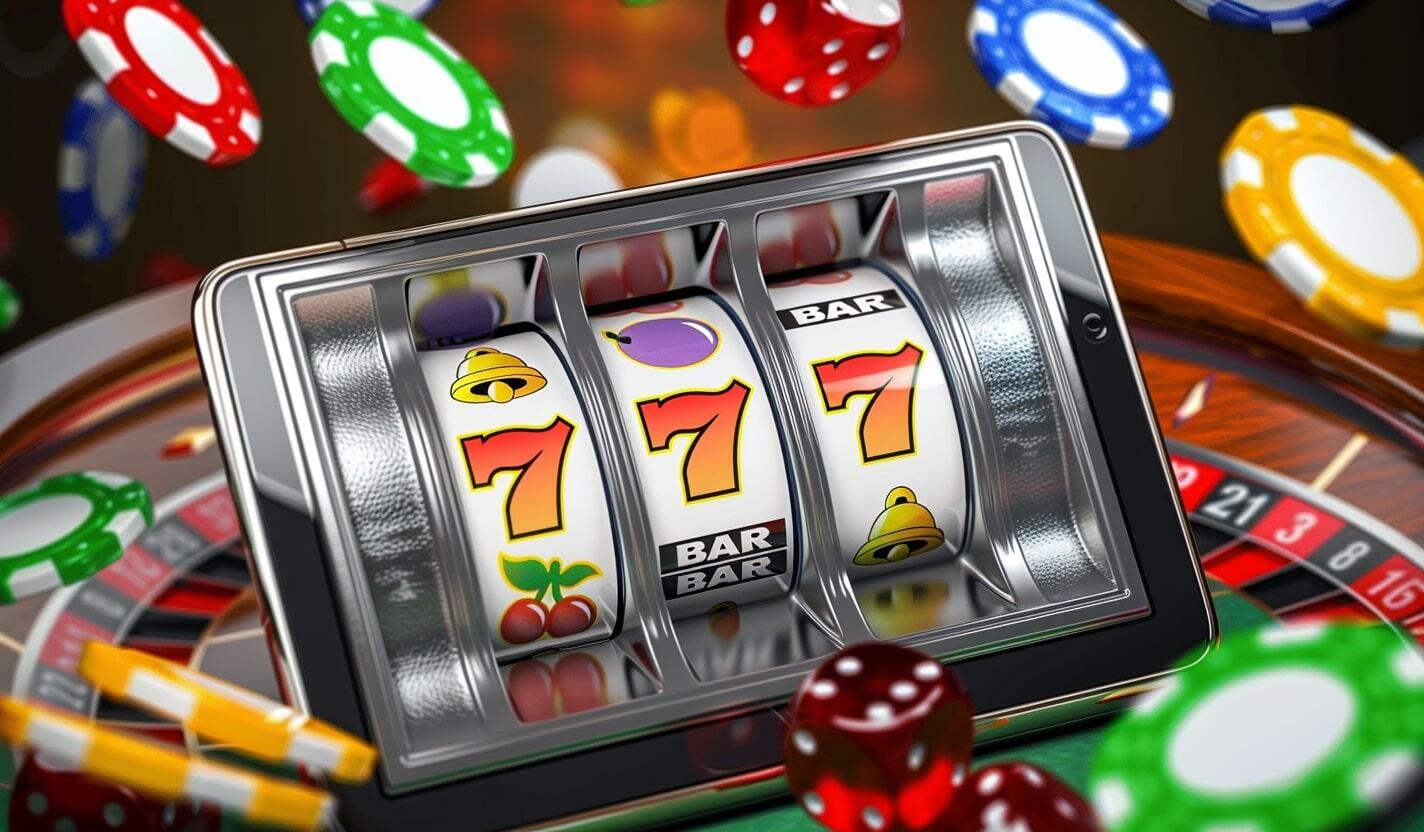
This phenomenon also taps into the broader concept of cognitive biases. The illusion of control, where individuals believe they can influence random events, is particularly prevalent in gambling contexts. Players may perceive patterns where none exist, leading them to make irrational betting decisions. This cognitive skewing heightens the emotional stakes of gambling, making losses feel even more painful and victories more rewarding. Understanding these biases can provide insights into player behavior and inform strategies for responsible gaming.
Furthermore, casinos often exploit these psychological patterns through marketing strategies that incorporate elements of luck and chance. Promotions centered around lucky numbers or themes can resonate with players’ beliefs, enhancing their overall gaming experience. By leveraging superstitious inclinations, casinos create an environment where players feel more personally connected to the games, often resulting in longer playtimes and increased spending. This connection reinforces the cycle of gambling and can lead to deeper emotional involvement in the gaming experience.
Engaging with Responsible Gaming and Awareness
In recent years, the conversation around responsible gaming has gained traction within the casino industry. Understanding the psychological elements that drive gambling behavior is crucial in promoting safer gaming practices. Educational initiatives highlighting the risks associated with gambling can empower players to make more informed choices. By raising awareness about the psychological triggers that lead to compulsive gambling, the industry aims to create a more conscious and responsible gaming culture. This proactive approach is essential for fostering healthy habits among players.
Incorporating measures such as self-exclusion programs, financial limits, and access to support resources can help mitigate the negative impact of gambling. These initiatives are designed to encourage players to reflect on their behavior and take proactive steps to ensure their gaming remains enjoyable and within their means. The psychological understanding of gambling leads to more tailored interventions that address the unique needs of players, ultimately promoting a healthier relationship with gaming.
Moreover, the role of technology has revolutionized the approach to responsible gaming. Online casinos and gaming platforms can implement data analytics to monitor player behavior and identify potential issues before they escalate. This proactive strategy allows for timely interventions, ensuring that players receive the support they need. By fostering a culture of awareness and responsibility, the casino industry can create a more sustainable environment that prioritizes the well-being of its players, encouraging them to enjoy gaming in a balanced and healthy manner.